What type of Cleanroom Flooring is right for you?

Cleanroom flooring must be smooth, seamless (or easily sealed), non-porous, easy to clean/sanitize, chemical-resistant, and low-particle-shedding to meet strict contamination control standards (ISO classes, GMP, etc.).

Common Cleanroom Flooring Types

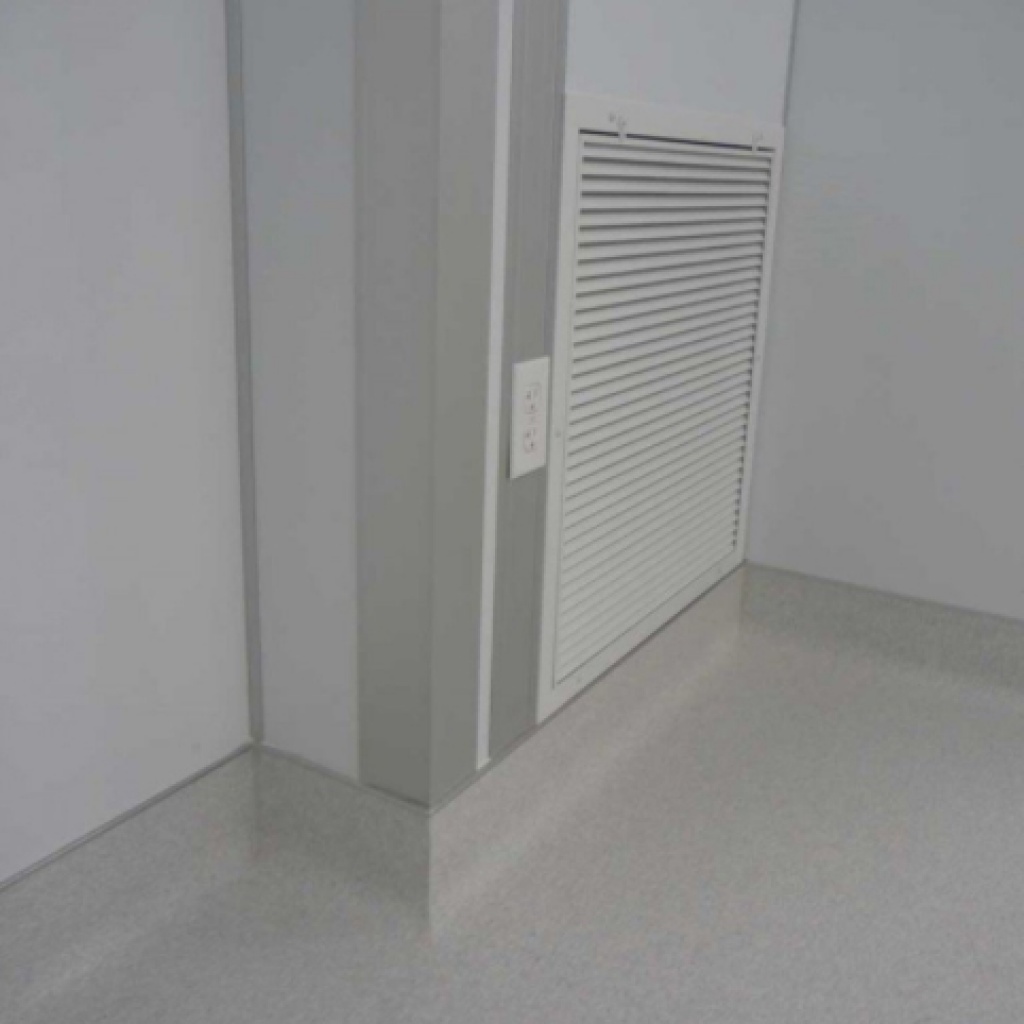
  • Heat-welded vinyl sheet flooring — Most popular choice; provides a continuous, impervious surface with heat-welded seams and coved edges for excellent cleanability.
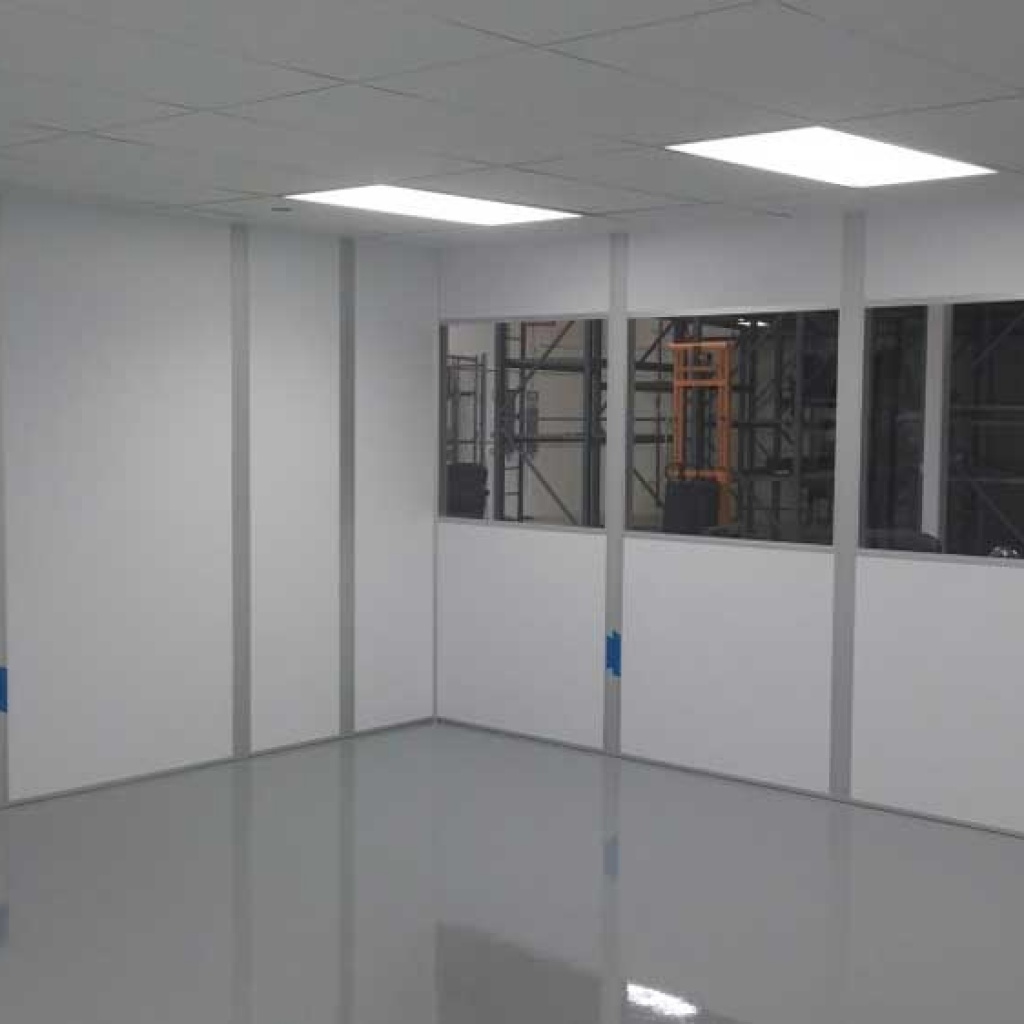
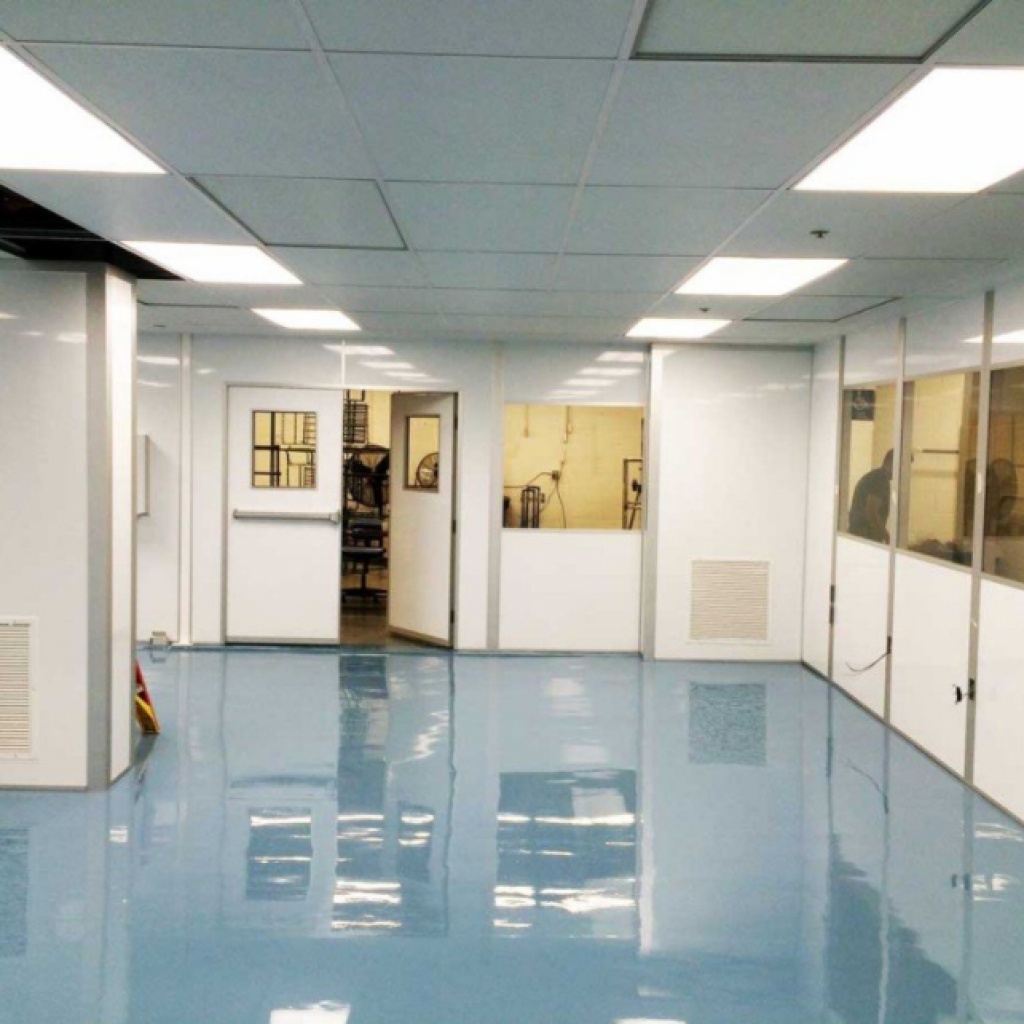
  • Epoxy resin coatings — Seamless, durable, and highly chemical-resistant; applied over concrete in various thicknesses.
  • Polyurethane (urethane) coatings or mortars — Similar to epoxy but often more flexible and abrasion-resistant.
  • Rubber flooring — Durable and slip-resistant; often cold-welded for seamless installation.
  • ESD / Static-dissipative versions — Available in vinyl, epoxy, or other materials to control electrostatic discharge (important for electronics or pharma).

Raised access flooring (with tiles) is also used in some high-tech cleanrooms for underfloor air distribution and utilities. Selection depends on the cleanroom class, traffic, chemicals used, and specific industry requirements.

Pros and Cons of Cleanroom Flooring Types

1. Epoxy Resin Flooring (seamless poured or troweled)

Pros:

  • Highly seamless and monolithic (excellent for contamination control)
  • Superior chemical resistance and durability
  • Easy to clean and maintain
  • Long lifespan (10–20+ years)
  • Good compressive strength for heavy loads
  • Cost-effective in large open areas

Cons:

  • Can be slippery when wet (unless textured)
  • Rigid and more prone to cracking under heavy impact or substrate movement
  • Longer installation time (multiple coats with curing between layers)
  • Sensitive to UV (can yellow)
  • Higher upfront labor cost in complex rooms

2. Heat-Welded Vinyl Sheet Flooring

Pros:

  • Flexible and comfortable underfoot
  • Excellent seam welding creates a continuous, impermeable surface
  • Good chemical resistance and easy cleaning
  • Slip-resistant options available
  • Faster and less specialized installation than epoxy
  • Lower cost in many cases; good cushioning

Cons:

  • Seams (even welded) are potential weak points over time
  • Less durable under very heavy traffic or sharp impacts compared to resins
  • Can be susceptible to punctures or tearing
  • May require more frequent maintenance in high-abrasion areas

3. Polyurethane (Urethane) Flooring (coatings or mortar systems)

Pros:

  • More flexible and impact-resistant than epoxy
  • Excellent thermal shock and temperature resistance
  • Superior abrasion resistance and UV stability
  • Good chemical resistance (often broader than epoxy)
  • Can be faster-curing in some formulations

Cons:

  • Generally higher cost than standard epoxy
  • Slightly lower compressive strength than epoxy
  • Installation can still be labor-intensive for thick systems
  • Performance varies significantly by formulation

4. Rubber Flooring (often cold-welded or conductive)

Pros:

  • Very durable and slip-resistant
  • Excellent sound absorption and comfort
  • Good chemical and abrasion resistance
  • Naturally static-dissipative options
  • Resilient under heavy rolling loads

Cons:

  • Higher initial cost
  • Seams can be harder to make fully monolithic
  • May require more aggressive cleaning in some cases
  • Less common in the highest ISO classes

5. Raised Access Flooring (with cleanroom panels)

Pros:

  • Allows underfloor air distribution, cabling, and utilities
  • Easy access for maintenance and reconfiguration
  • Can incorporate perforated panels for airflow
  • ESD-compatible panels available

Cons:

  • Higher cost and complexity
  • More joints and potential particle traps (requires careful design)
  • Heavier maintenance to keep clean
  • Not ideal for the strictest ISO 5 and above without special panels

General Notes on ESD/Static Control Versions

All the above types are available in static-dissipative or conductive formulations. These are essential for electronics/semiconductor cleanrooms. They add the benefit of ESD protection but may slightly increase cost and require proper grounding.

Key Decision Factors:

  • ISO Class & Industry — Pharma/biotech often prefer vinyl or epoxy; electronics favor ESD epoxy/vinyl/rubber.
  • Traffic & Chemicals — Heavy loads or aggressive chemicals → epoxy or urethane.
  • Budget & Timeline — Vinyl for faster/cheaper installs; resins for longevity.
  • Slip & Comfort — Vinyl or rubber often win here.
Need a new cleanroom now?

Quotes in 24 hours. Easy to work with Fast design, manufacture and install.